By Cathie Leimbach
•
October 6, 2026
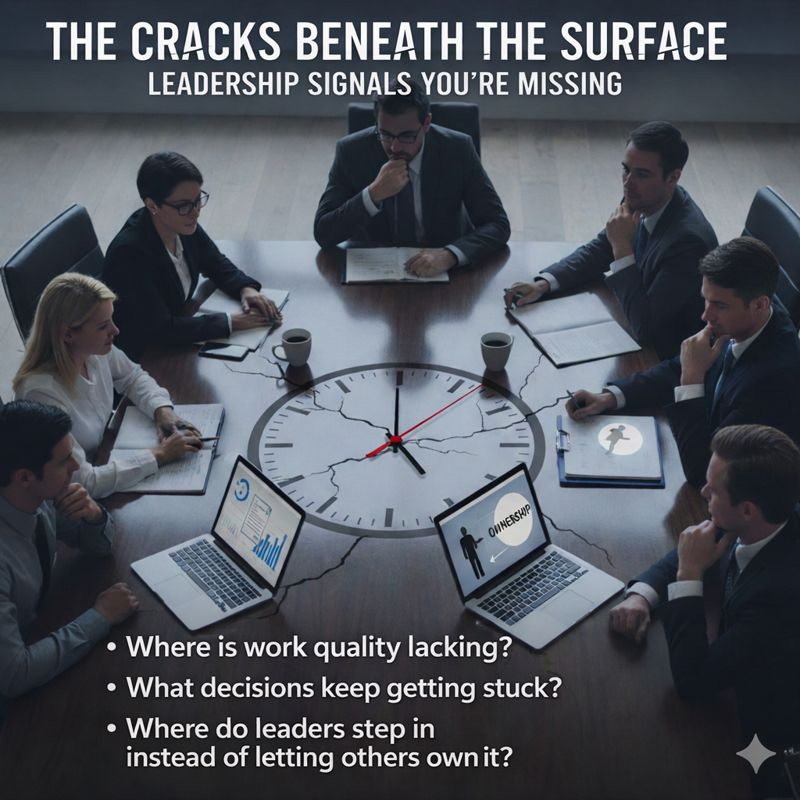
“All good,” they said. But Sarah wasn’t so sure. In the team meeting, just two people did most of the talking. Team members who once offered ideas just waited for the meeting to end. Three people called in 'sick' on the day of our monthly planning and progress-review meeting. Today was just another day with her disengaged team. Sarah realized that whenever she asked others how things were going, she got the same response: “All good.” It never failed that within a day or two of what seemed like positive feedback, a problem surfaced. It might be that they didn't know how to proceed with a new project. Or they were trying to hide a mistake they made. Things definitely were not "All Good". Then, she thought about the questions she usually asked. “Everything on track?” “Will that be ready by Friday?” She wanted to know how her people were progressing with their work. But she had asked closed-ended questions, so she got brief responses that told her nothing. At her next one-to-one, she asked, “How have things been for you lately?” “Fine. Busy.” She almost moved on. But, instead, she dug a bit deeper. “What’s been making things especially busy?” This time, the answer was different. There were competing demands she hadn’t known about. A concern that had gone unspoken. And a feeling that nobody really talked anymore unless they needed help with something urgent. This one conversation provided important information. It gave her a place to start moving forward to improve engagement and results. If you can relate to Sarah's struggles, here are some tips to help you stay on top of how your employees' work is truly going. Absenteeism and disengagement can have many causes. We can't begin to understand them by accepting thoughtless answers. We need to create an environment where people feel comfortable sharing what’s really happening. Interpersonal rapport is essential. It grows through small moments: asking a thoughtful question, listening without rushing to solve a concern, remembering what someone said, and checking back. This week, try asking a couple of specific open-ended questions such as: “What’s been going well for you?" And "What’s been difficult?” Let the answers guide your next questions. Give the person room to share. Then, a few days later, follow up. “You mentioned the client report deadline was going to be hard to meet. How’s it going?” Then, "What help do you need?" When you take a few minutes for such check-ins, employees feel more supported than if you just ask, “How are you?”, as you are walking by. It indicates: I heard your concern. I remembered. I’m interested. I want you to succeed. Your team members are more likely to get involved, be honest with you, and share ideas when they feel heard and connected to the people they work with. Want to get more comfortable starting those conversations? Join our Workplace Conversations Clinic on October 19 to practice building interpersonal rapport through conversations that matter. Reserve your place → [registration link]